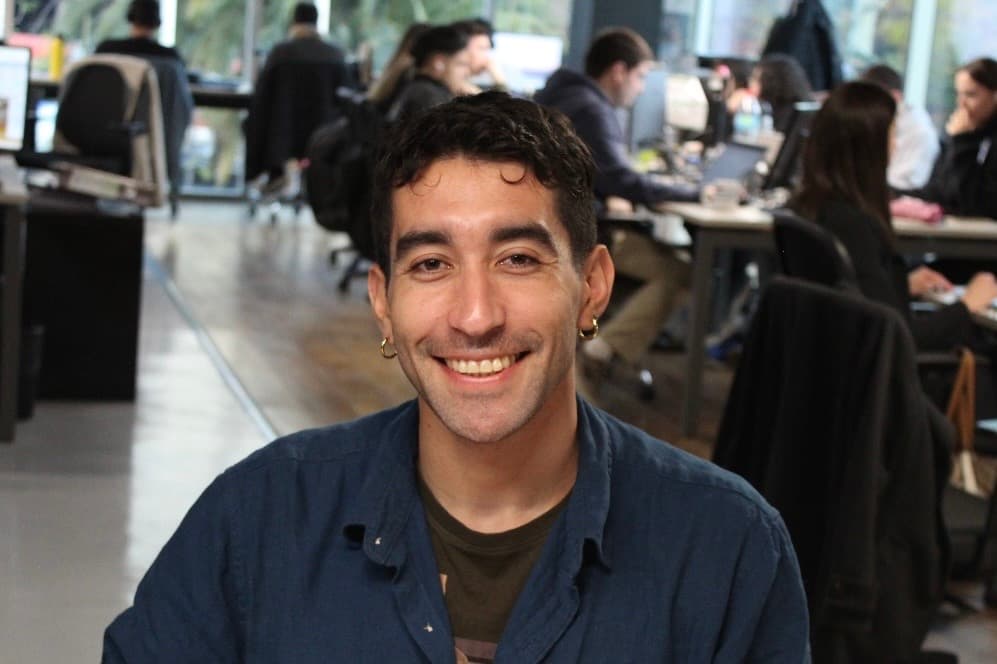
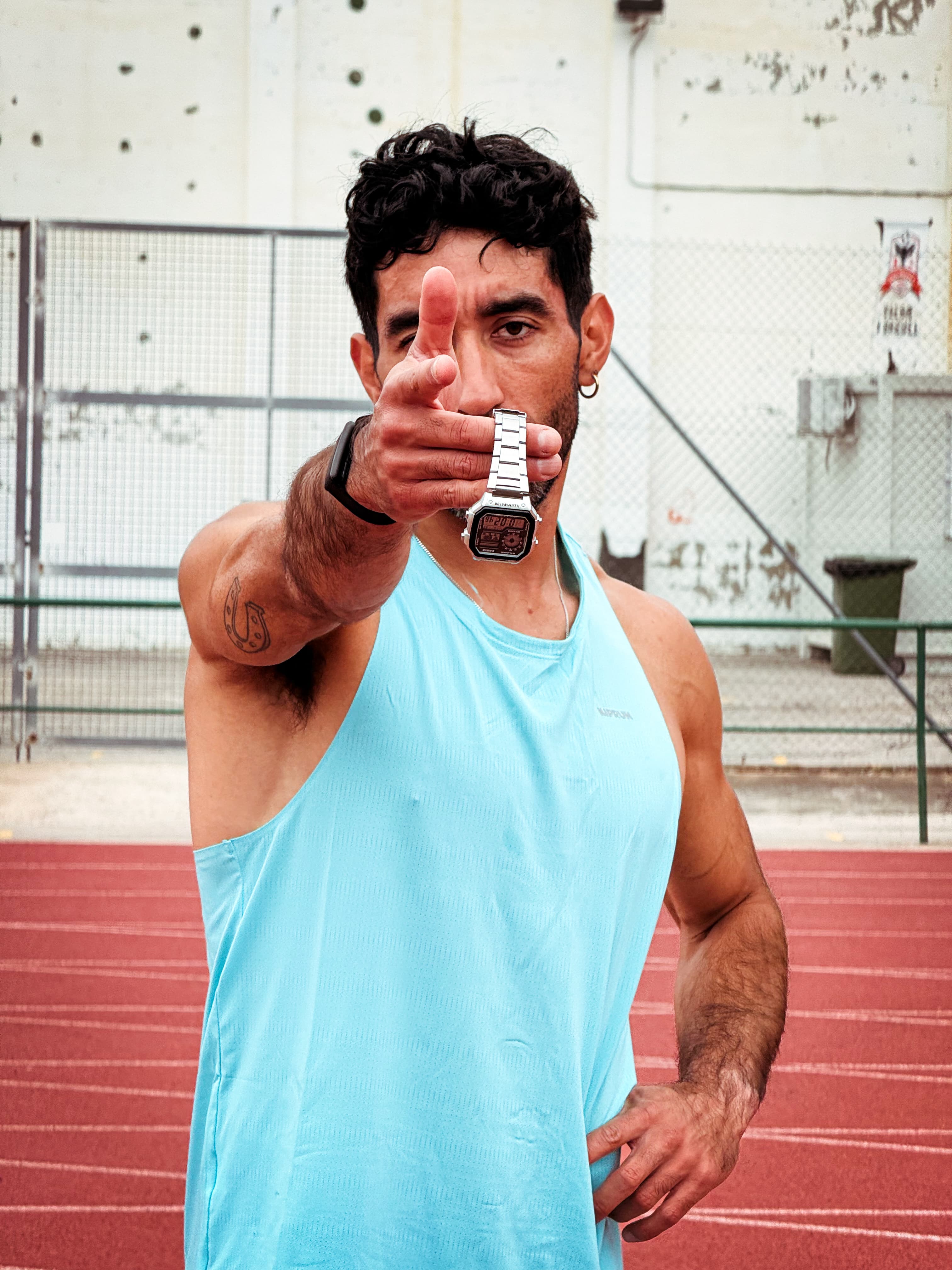
I've run in circles professionally for over a decade. On purpose.
It started when I was a kid, and it started fast. By the time I was 17 I had already won the South American U18 championship in the 400m hurdles, that peculiar event where you sprint a full lap while jumping over ten obstacles placed specifically to ruin your day. I figured that if I was willing to do that voluntarily, I might as well make a career of it.
Over the next decade I did exactly that. I competed internationally representing Chile, became national team captain, and chased one number obsessively: the national record. I got it, 49.62 seconds, set in Cochabamba in 2018. I also reached the top 17 in the world ranking and collected 8 national titles along the way, which is either impressive or a sign I spent too much time in stadiums. Probably both.
In parallel, and I use that word loosely, because it was more like a slowmotion juggling act, I studied Business Engineering at Universidad de Chile. It took looonger than the standard plan suggests. Competing at the highest level internationally while finishing a degree is possible, I can confirm. I just wouldn't recommend it as a time management strategy.
The athletic pursuit took me far. I trained with coaches in Chile, Uruguay, the Dominican Republic, and most recently in Barcelona, where I also discovered that European bureaucracy is its own kind of endurance sport.
When I started my professional career in data, I quickly realized technology could solve problems I had lived firsthand as an athlete, invisibility and lack of funding. That's why now I'm building KeLevel: software to give athletes the visibility and financial tools they deserve. Turns out running in circles was just research.